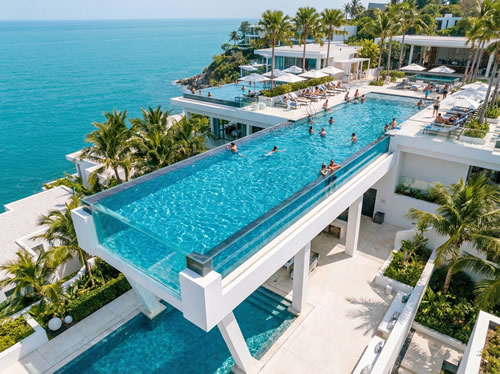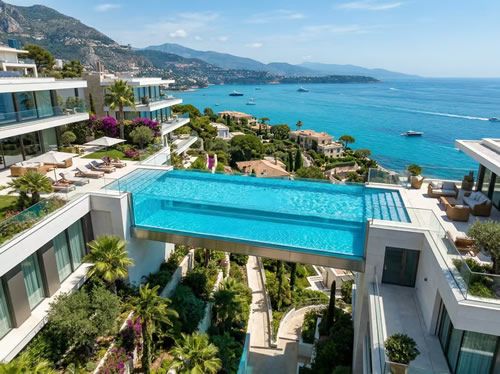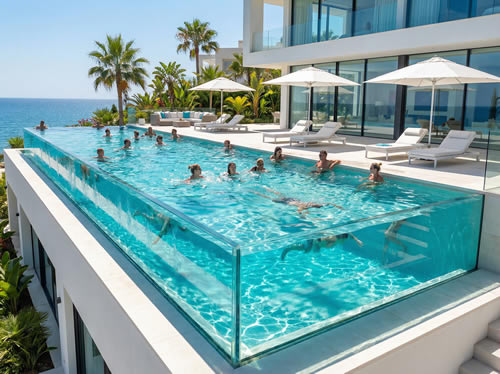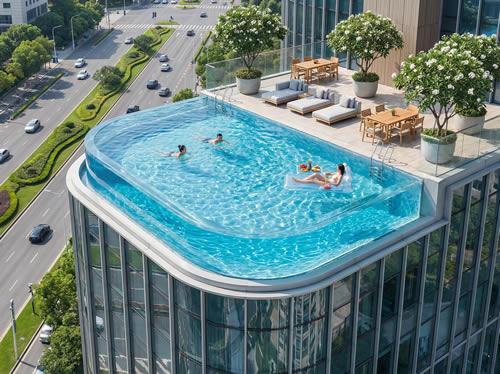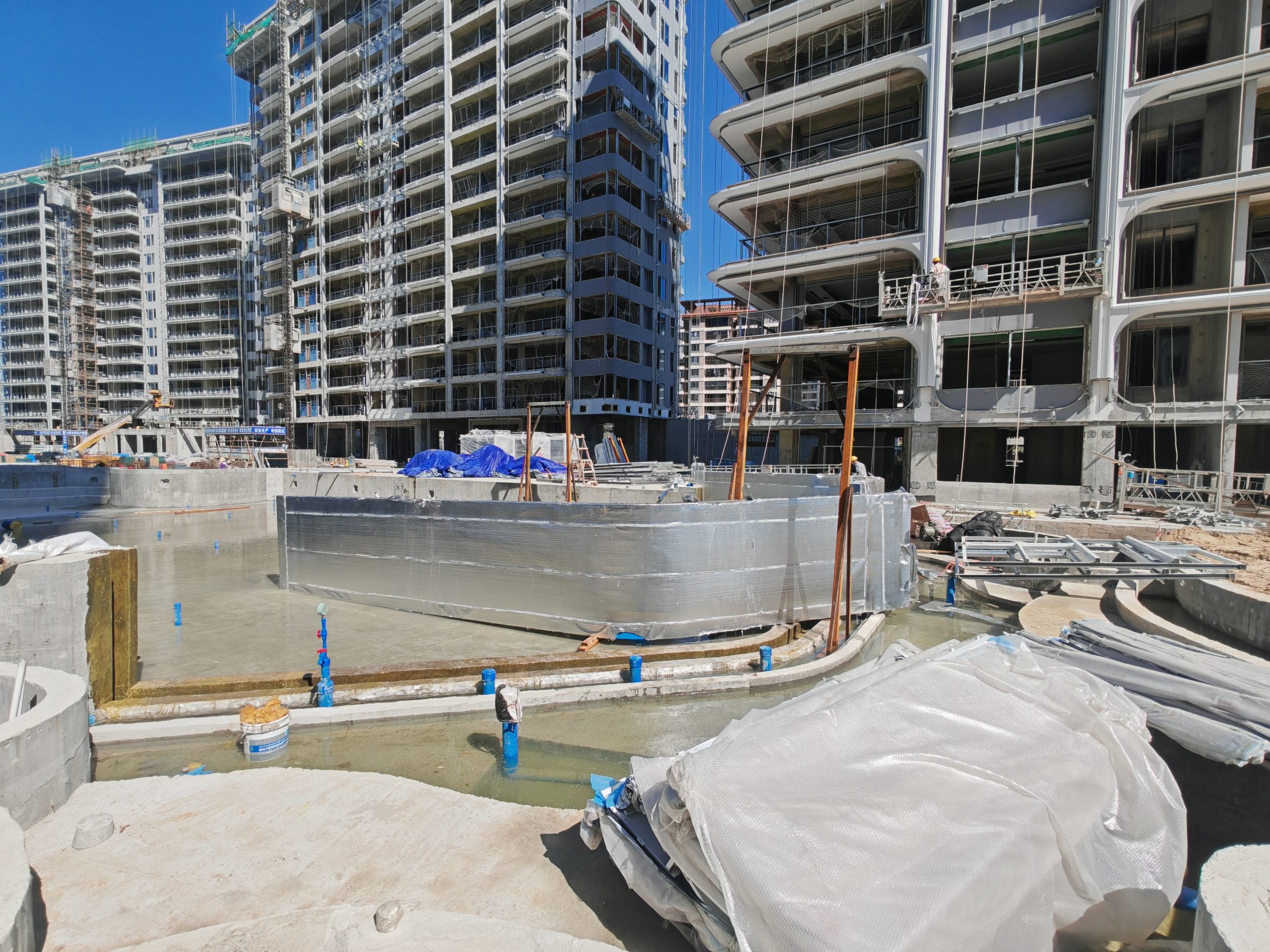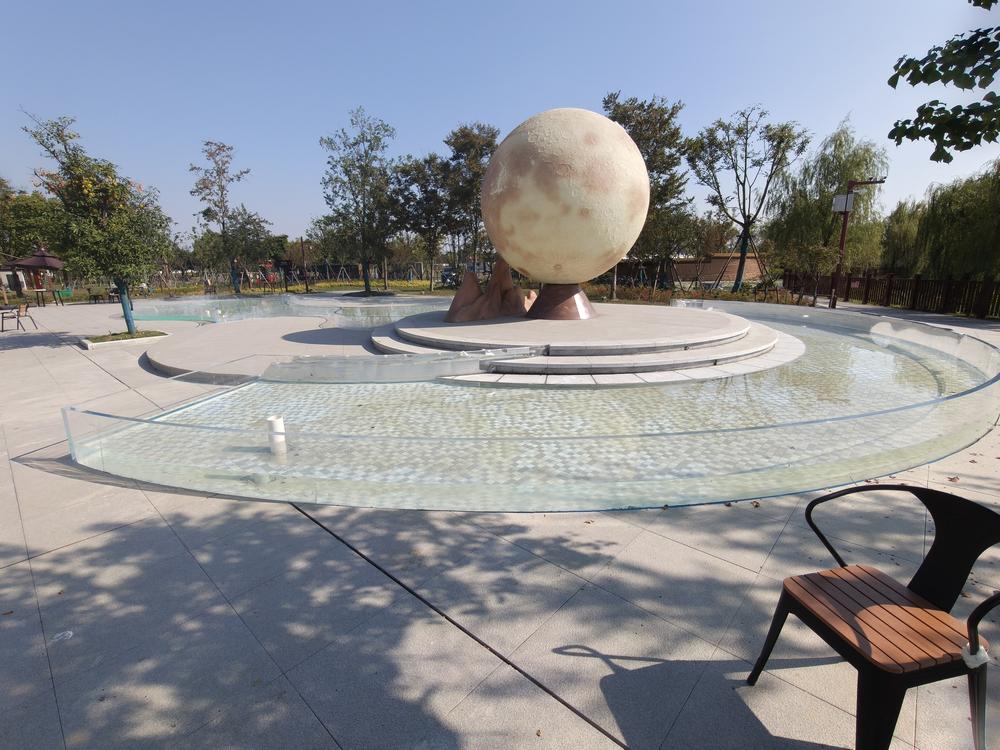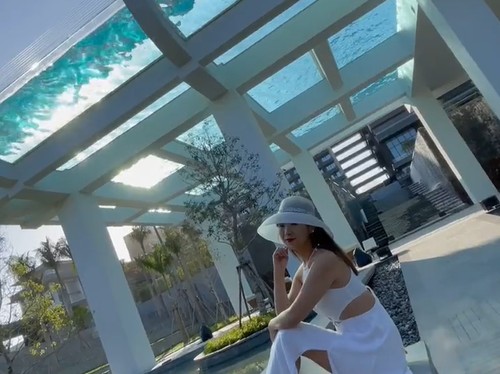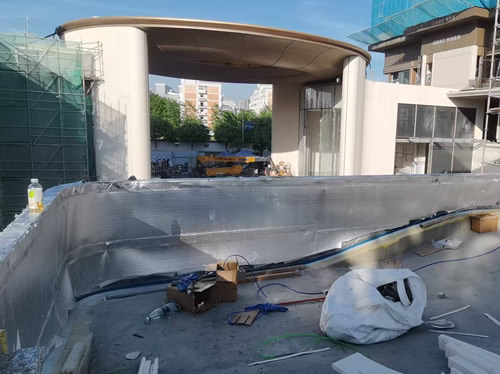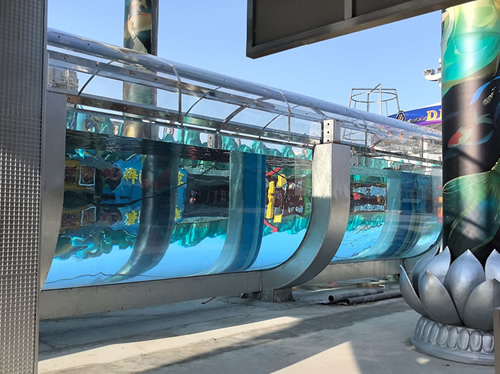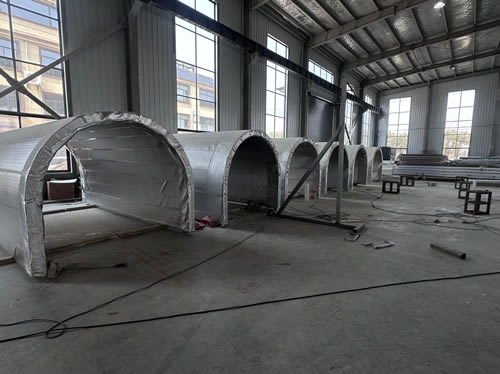








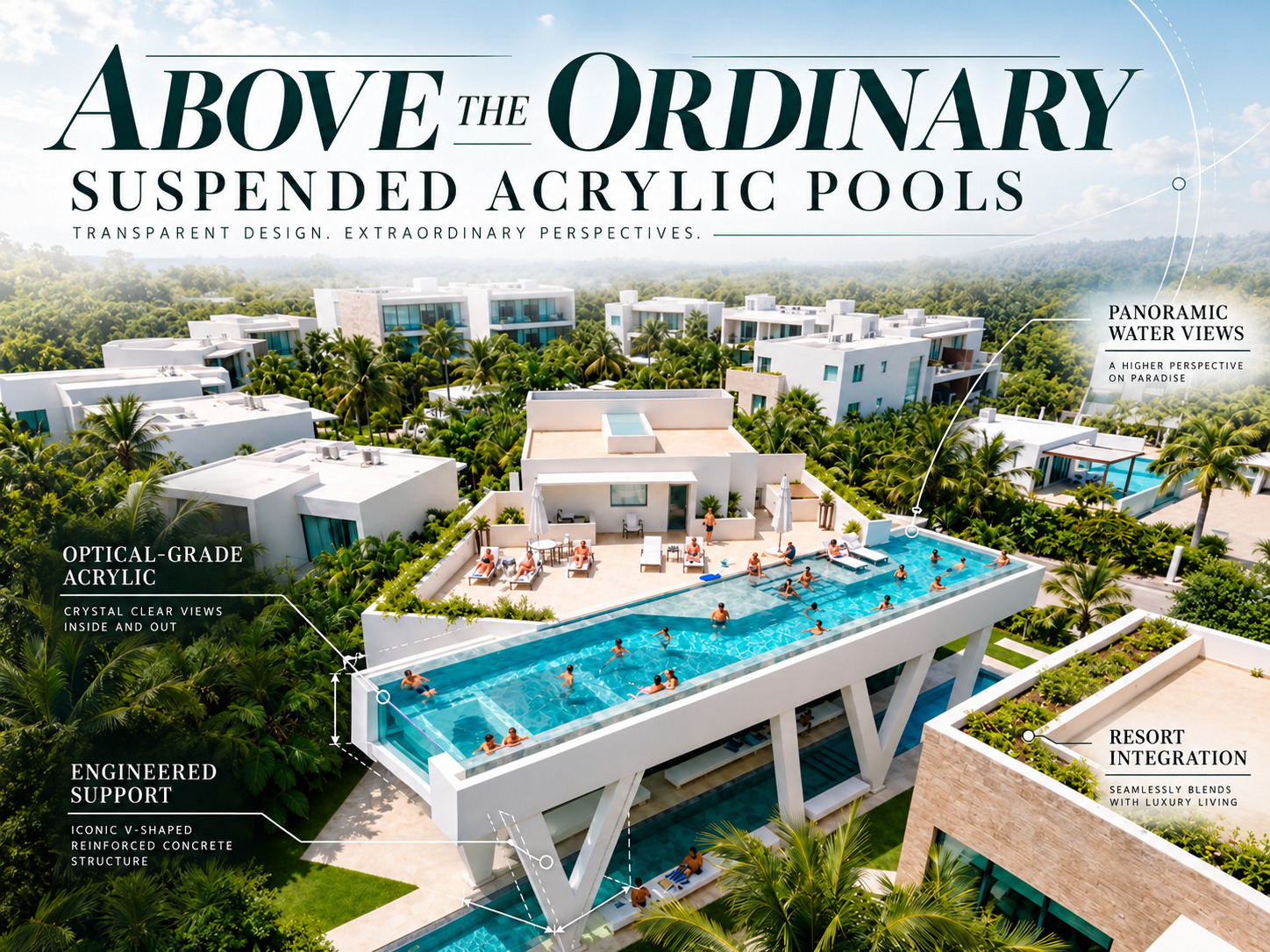


At a villa resort development in Guangxi, the individual swimming pools are relatively compact. Each one, however, features a transparent acrylic face that changes the way the pool relates to its courtyard. Water, landscaping and architecture can be enjoyed together without a conventional solid wall blocking the view.
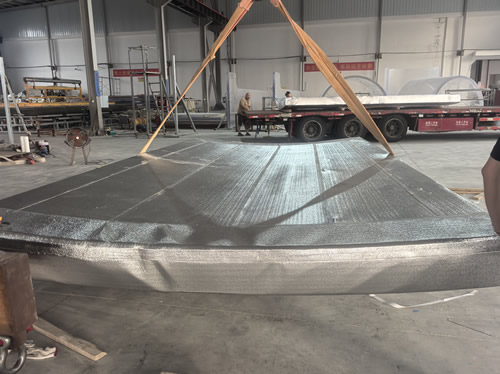
Miaoshen Acrylic is preparing the panels for these villas with particular attention to edge finishing, surface clarity and protection. The sequence is straightforward: carefully manufacture and polish each panel, inspect the finished work, and then arrange installation at the project site.
Cutting and handling thick acrylic can leave tool marks along an edge, small surface scratches or localized areas with reduced gloss. Those imperfections can become much more visible when a pool is filled and light passes through the viewing panel.
Professional sanding and polishing help refine appropriate surface and edge defects. The aim is not simply to make acrylic shiny. It is to produce a smooth, consistent finish while avoiding unwanted material removal, uneven surfaces or heat damage. A major viewing face calls for special care: any local distortion may be noticeable when looking through it.
Look at the panel straight on, from the side and under grazing light. Separate dust and deposits from actual scratches, tool marks or damaged material. Mark only the areas that genuinely need work.
Prepare suitable wet-abrasive papers, clean water, soft lint-free cloths and polishing products approved for PMMA. Machine pads and compounds should match the equipment and the acrylic grade.
Remove sand, dust and metal particles. A trapped hard particle can drag across the surface and create a deeper scratch than the original defect.
If work takes place on site, mask nearby finishes and protect seals, waterproofing and completed surfaces. Keep polishing residues away from sensitive joints.
Coarser wet-abrasive grades, sometimes in the approximate P240–P400 range, may be appropriate for rough-cut edges or substantial marks where material removal is specifically permitted. They are not a default starting point for an otherwise clear viewing face.
Use an even, controlled technique and keep the working area suitably lubricated. Concentrating pressure on one spot can create a hollow or a distorted view. At this stage, a uniform matte finish is expected; optical clarity comes later.
Where an approved sanding process is needed, grades such as P600, P800 and P1000 may be used in sequence. Skipping directly from a coarse grade to a very fine one often leaves earlier scratches visible beneath the final polish.
Rinse and inspect between grades. A deliberate change in sanding direction can make remaining marks easier to spot. The aim is to clear the previous pattern without creating new grooves or uneven areas.
Depending on the material and the approved process, finer grades around P1500 and P2000 may follow. Keep the abrasive flat, control moisture and avoid using folded corners to apply concentrated force.
Before progressing, inspect under side lighting. If pronounced earlier marks remain, return to the appropriate prior stage. Polishing compound cannot reliably conceal deep scratches or remove optical distortion caused by excessive sanding.
Once the prepared surface is clean, a suitable pad or polishing wheel and PMMA-compatible compound can be used according to the equipment and material manufacturer's guidance. Work methodically in manageable areas, using small amounts of compound as needed.
Keep the polishing tool moving and monitor temperature closely. Excessive pressure, unsuitable pads or prolonged contact can cause heat damage, haze or fine cracking. There is no single machine speed that is correct for every wheel size, acrylic grade and task. For restricted areas near seals, use an approved low-impact or hand-finishing method instead.
Clean away polishing residue, then inspect in direct and grazing light for haze, remaining scratches, swirl marks and uneven gloss.
View straight reference lines through the panel to help identify local distortion. A polished patch should not look conspicuously different from the surrounding surface.
Confirm that finishing has not compromised required dimensions, mounting edges or other design-critical areas. Protect prepared sealing surfaces before site work.
Apply suitable surface protection, arrange appropriate support and packaging, and keep each finished panel identifiable for its designated villa pool.
For the villa pools in Guangxi, careful finishing in the workshop is only part of the story. The panels must also be handled safely at the site and coordinated with the reinforced-concrete pool structure, waterproofing details and installation channels as required by the project design.
Once the pools are in use, gentle maintenance helps protect the acrylic. Rinse away grit before wiping, use soft cleaning materials and products approved for PMMA, and avoid abrasive pads, blades or aggressive chemicals. Minor cosmetic marks may be suitable for professional restoration, but any damage close to structural connections or seals should be evaluated first.
Compact pools can be visually striking when the transparent face is proportioned and finished with care. Here, each individual panel contributes to a more open relationship between the water, the private garden and the surrounding villa.
Miaoshen Acrylic provides custom acrylic swimming pool panel processing and project-related installation support, including transparent viewing faces for villa resorts, outdoor pools and other architectural water features. If you are planning a similar project, share the pool dimensions, drawings and site conditions to discuss a suitable fabrication approach.