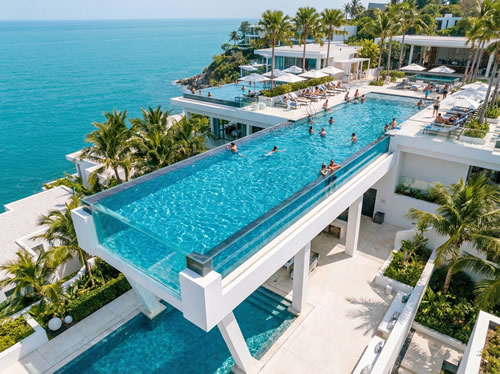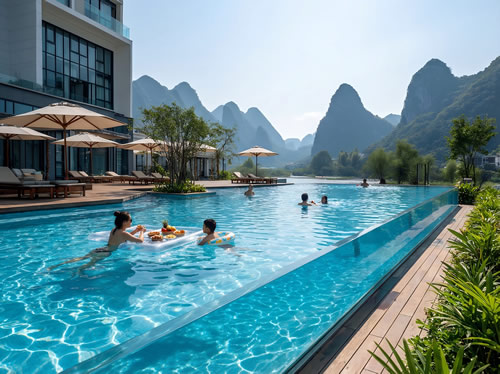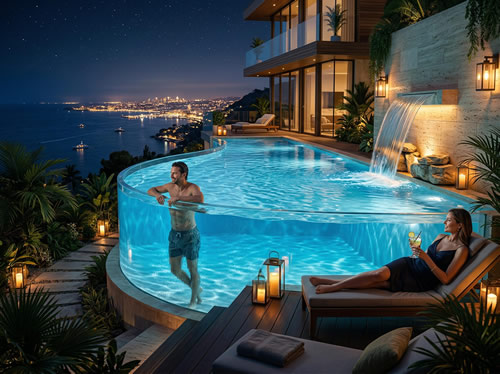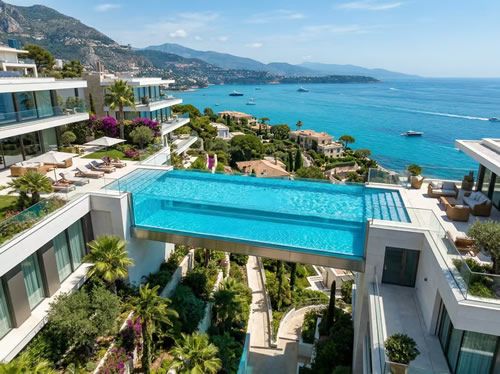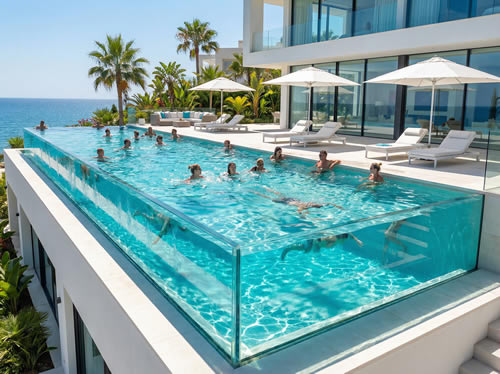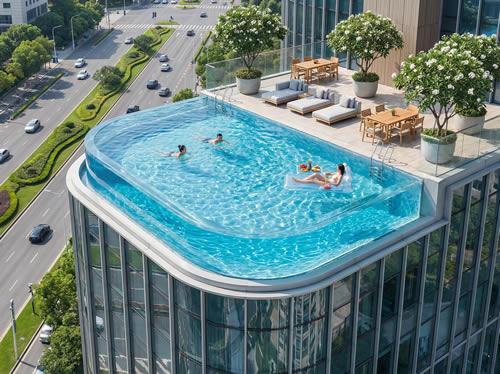
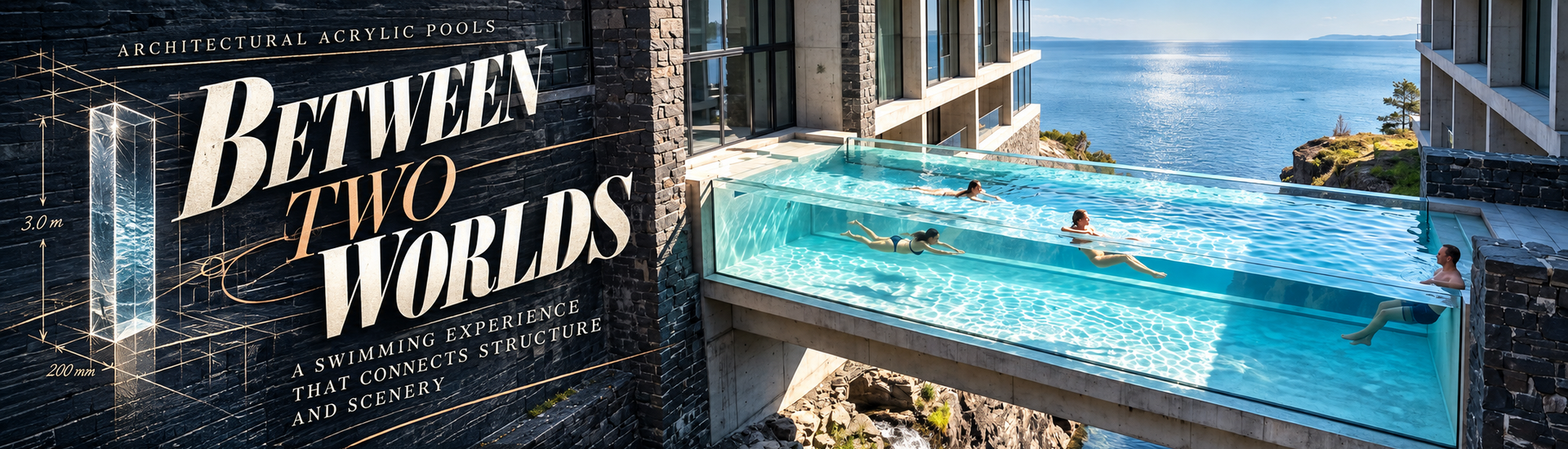

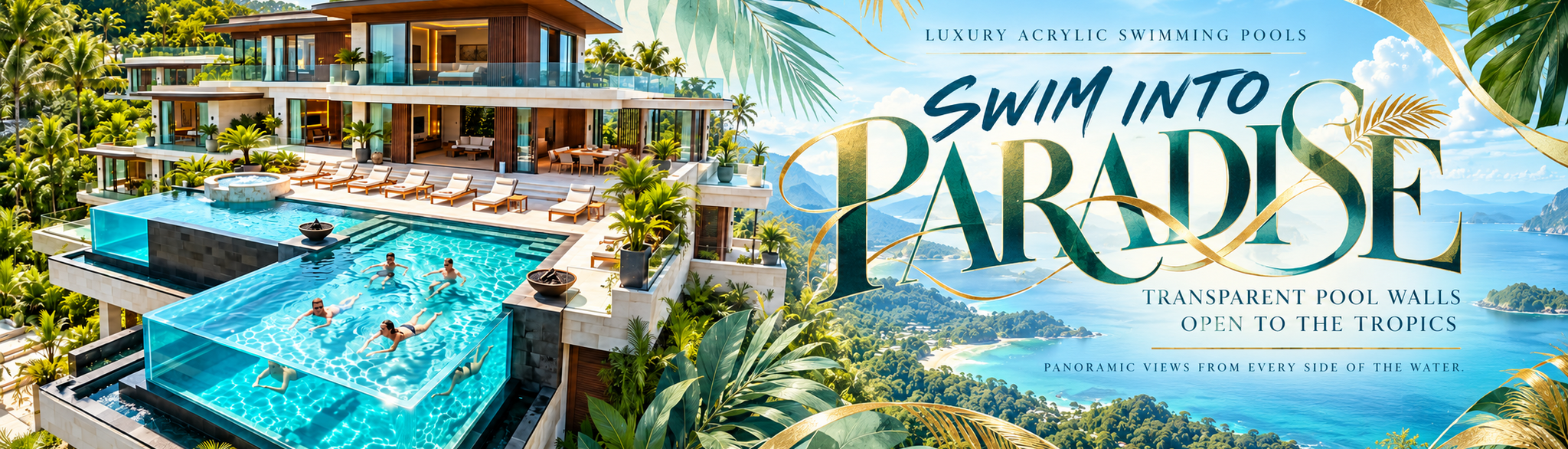


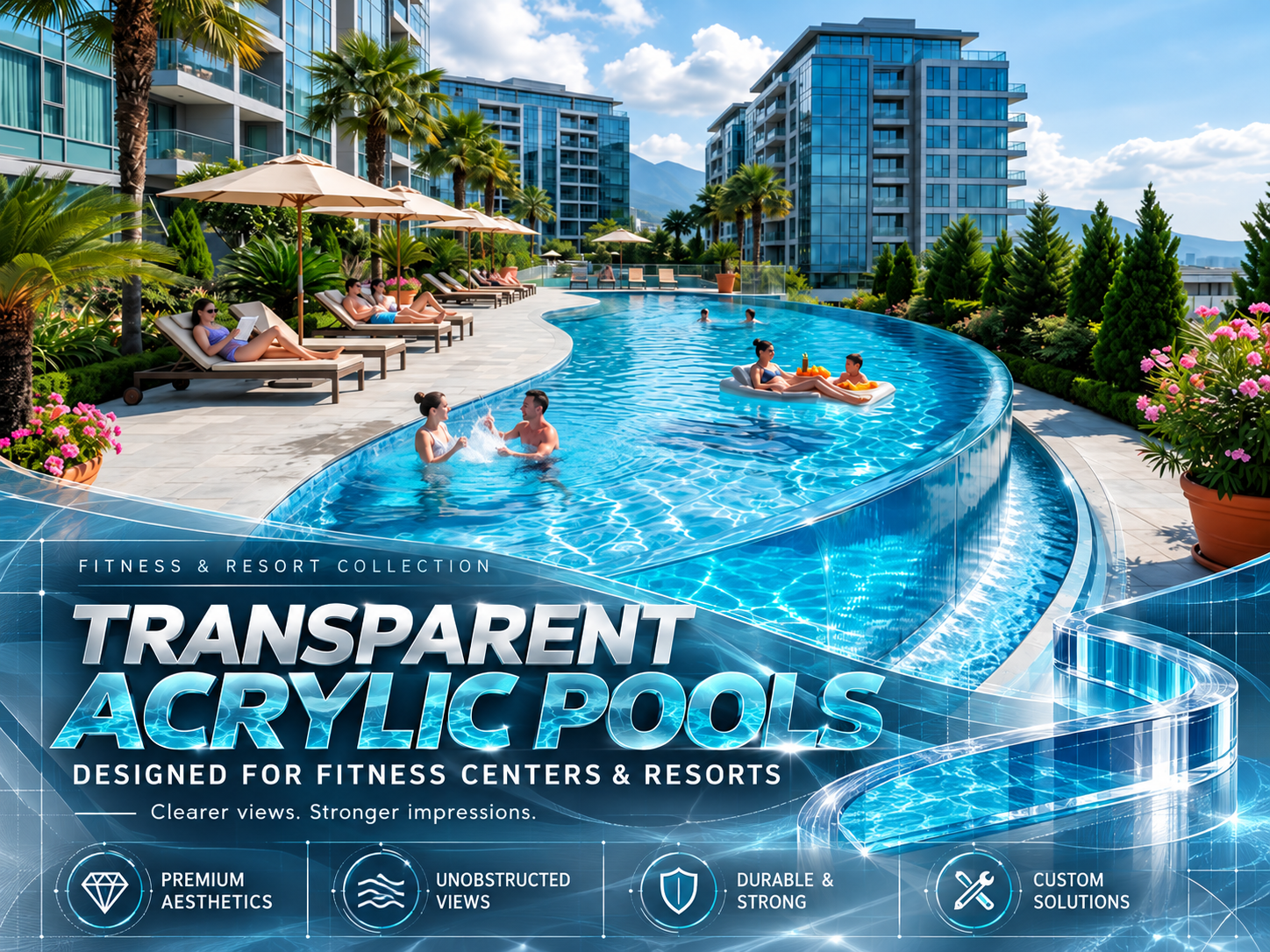
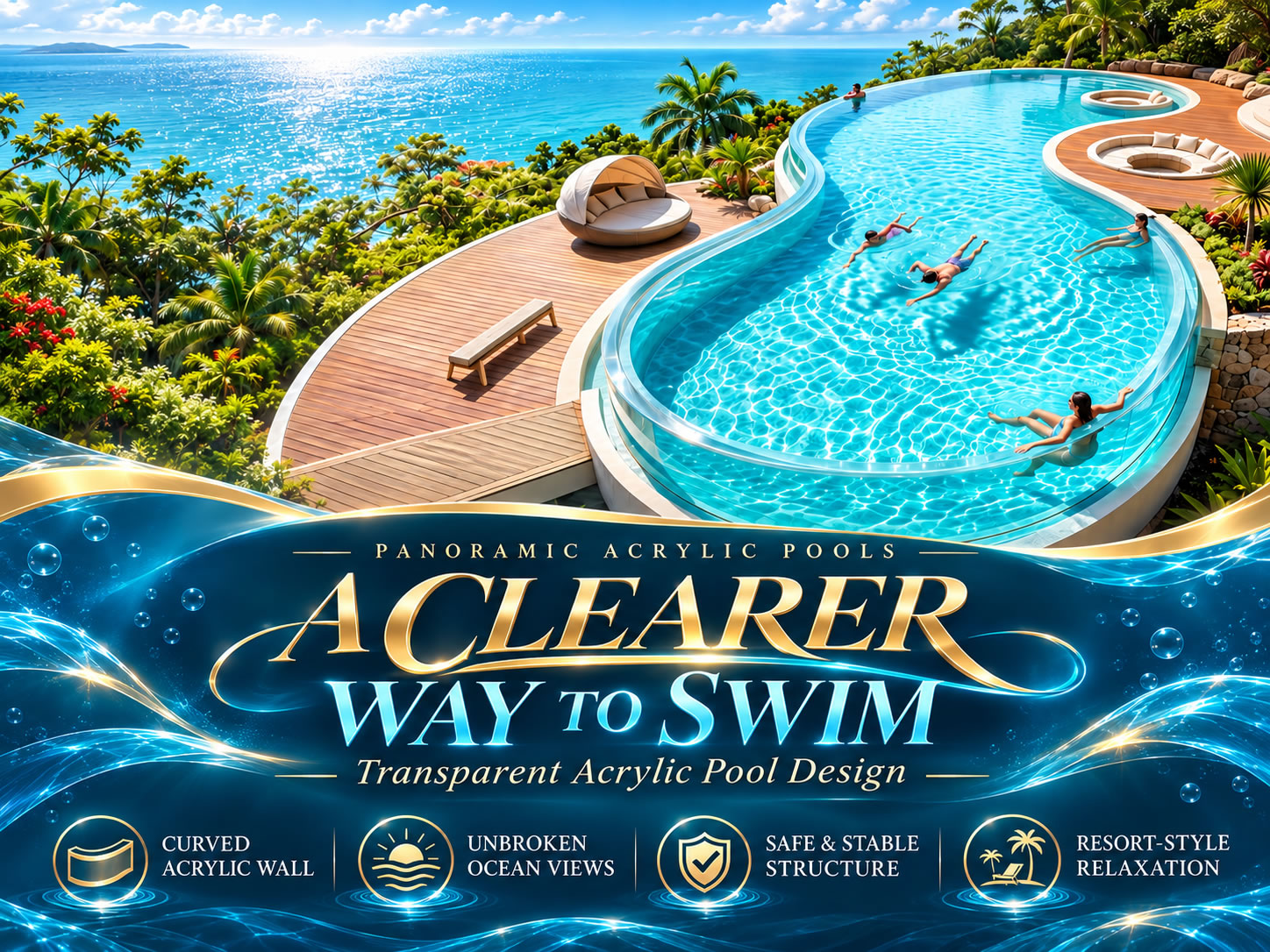
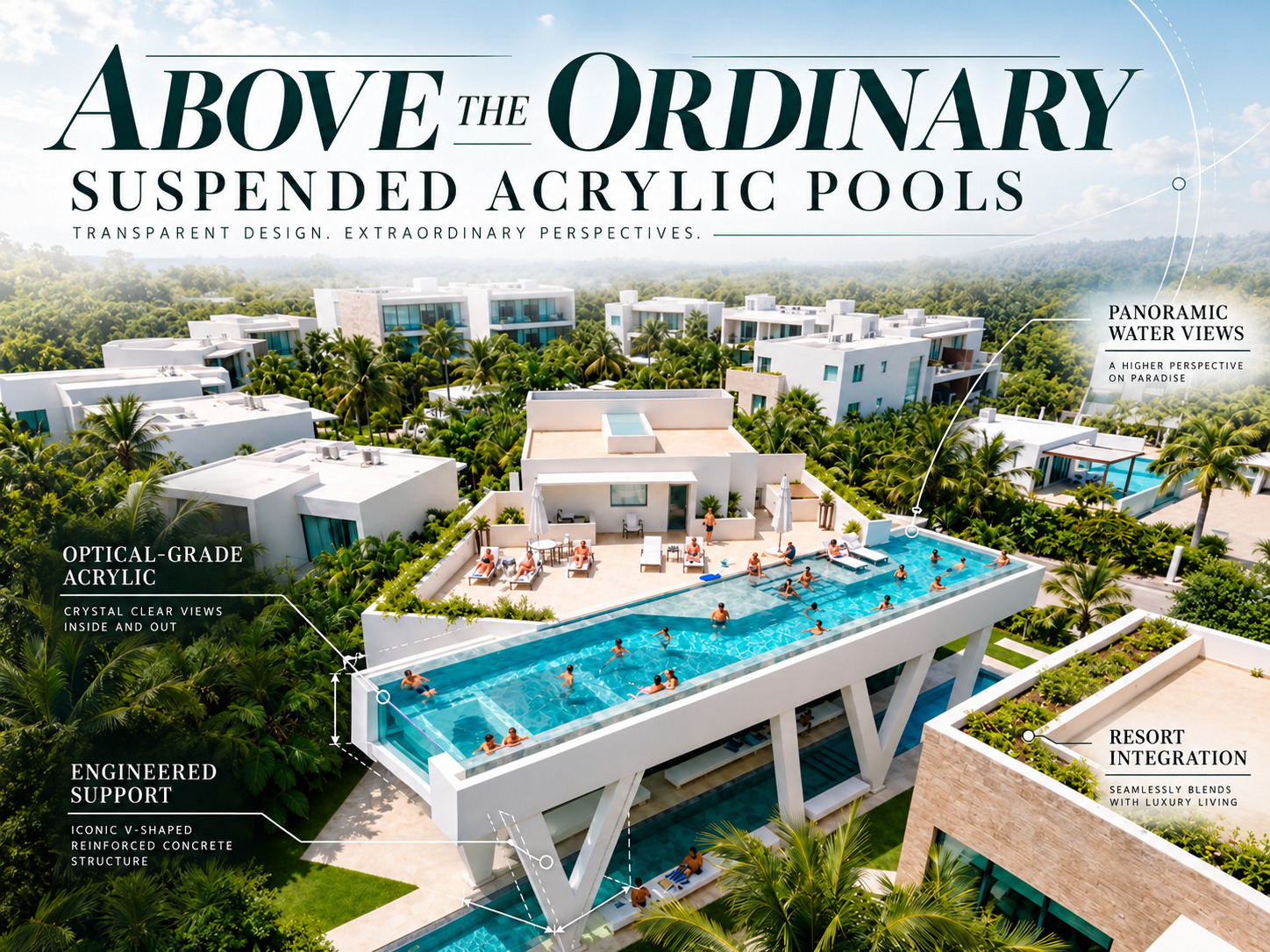
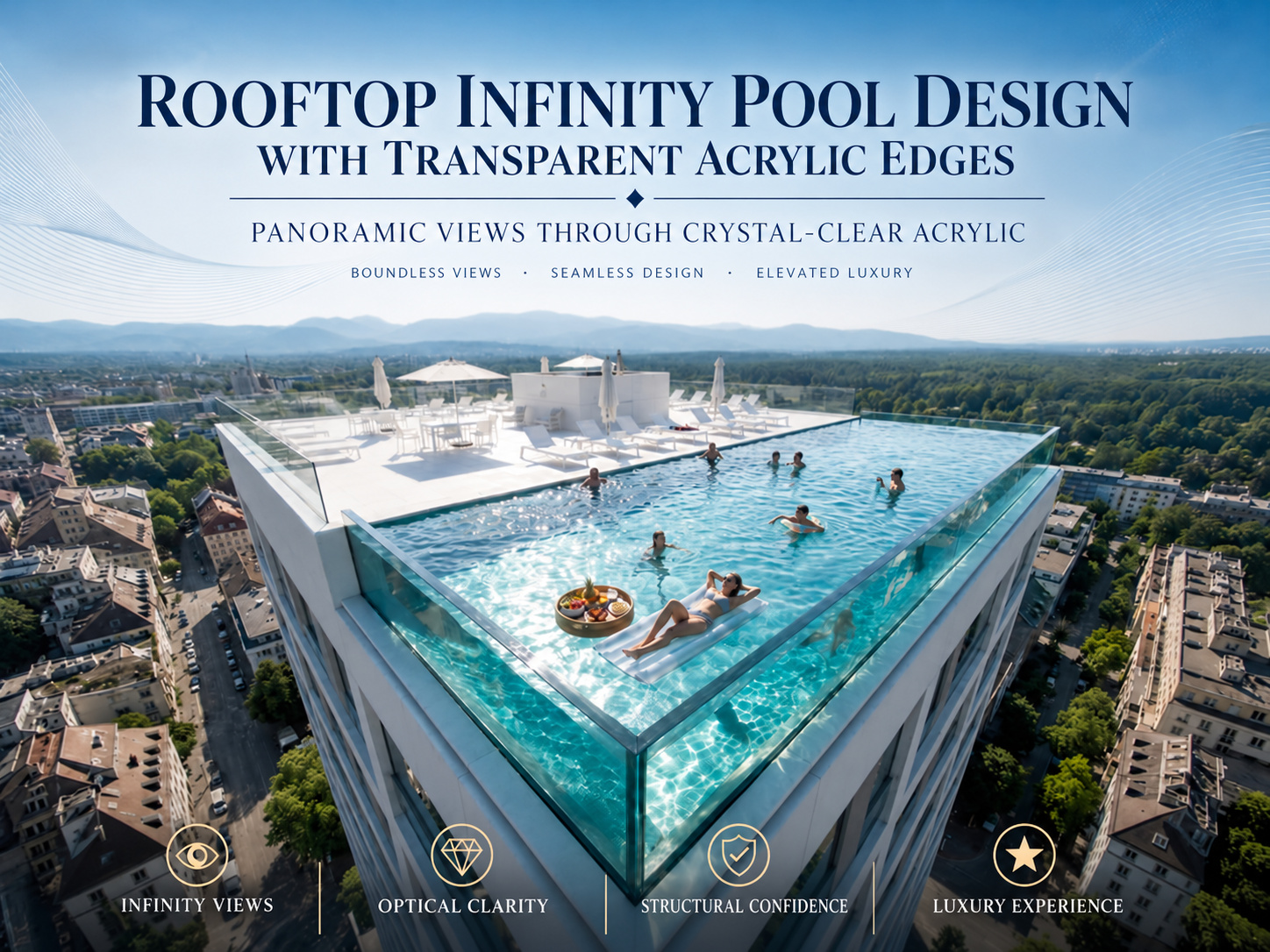
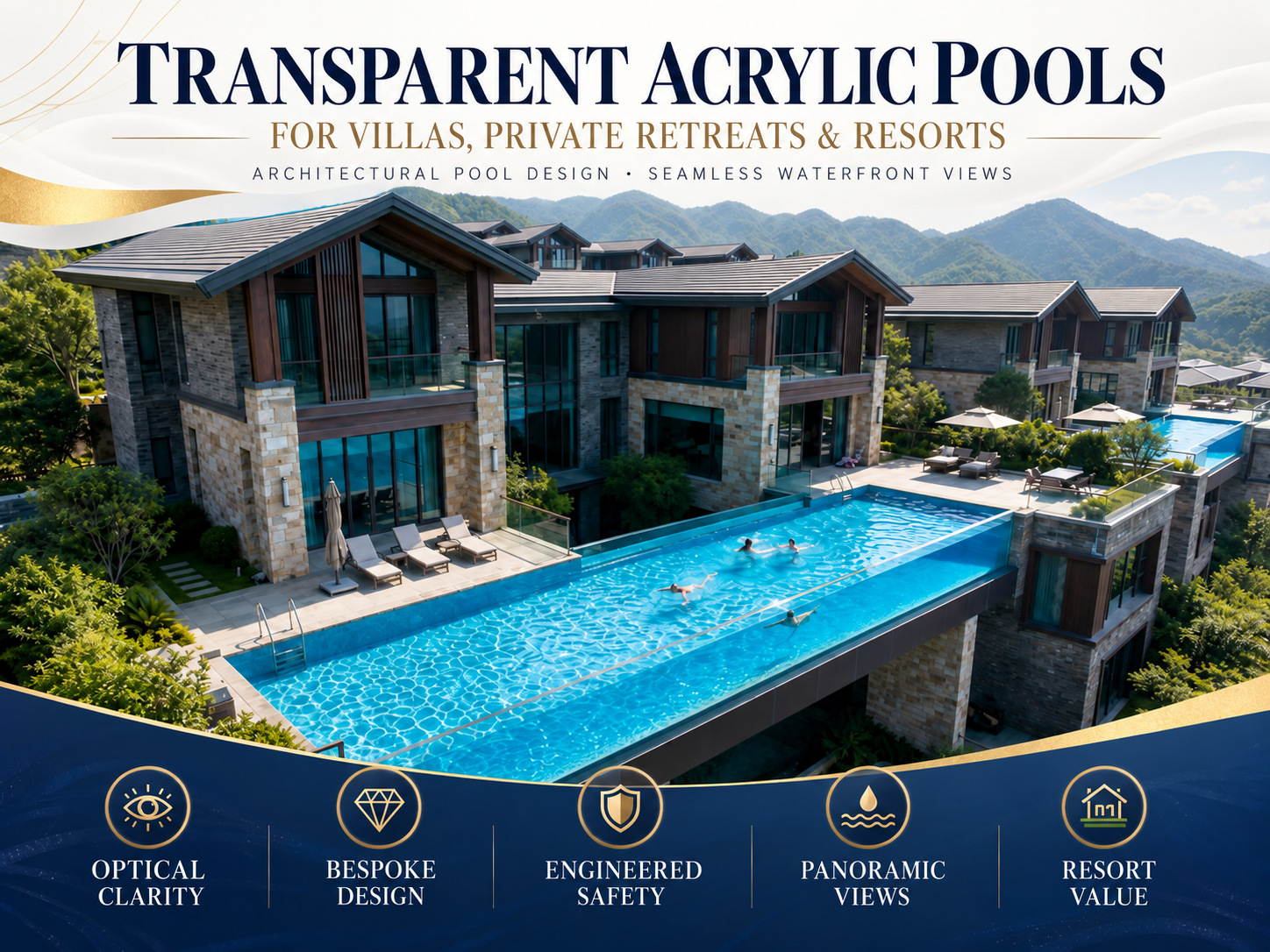
A custom acrylic swimming pool is an architectural feature as well as a technical project. The right planning, engineering coordination and after-sales arrangements help turn the visual concept into a practical, maintainable installation.
An acrylic transparent swimming pool can do more than provide a place to swim. Its clear viewing surfaces and distinctive architectural form can become a defining feature of a villa, hotel, resort, guesthouse, private club or visitor attraction. The actual commercial return depends on the location, target audience, operating model and overall project execution.
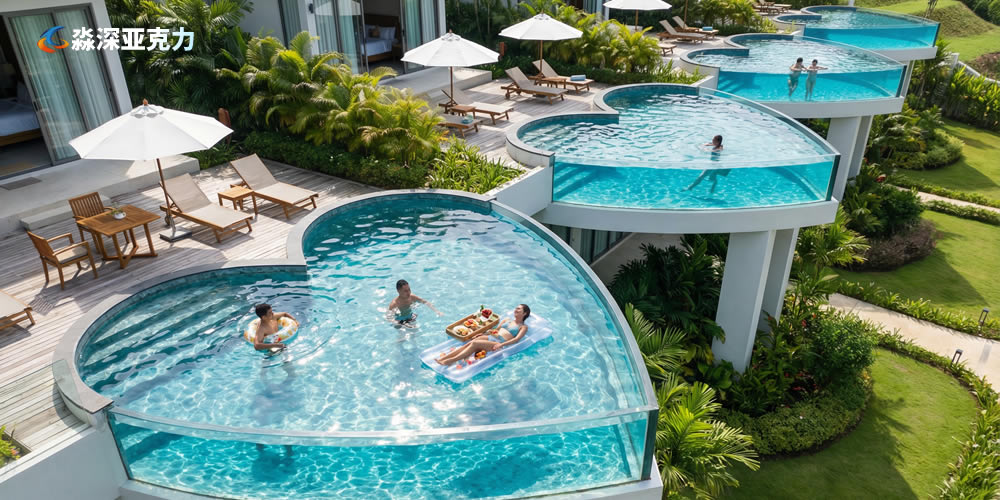
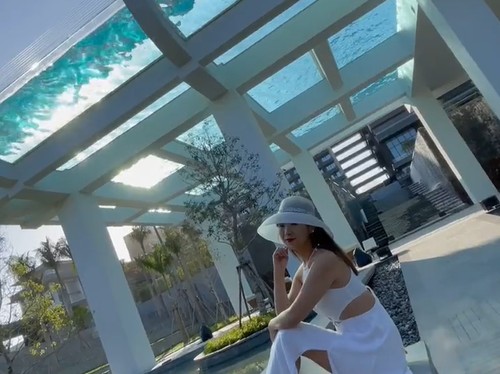
A transparent pool can become a visual focal point that distinguishes a property from conventional designs. In a private villa, it can strengthen the architectural identity; in a hotel or resort, it can contribute to a more memorable guest experience. Any effect on property value or room rates depends on the wider market and property positioning.
Depending on the venue, a transparent pool may support photography, social content, private events, premium accommodation packages or club activities. These uses should be planned around guest safety, operating capacity, privacy and local requirements.
Material selection, access for cleaning, water treatment, equipment layout and maintenance access all influence long-term operating requirements. A well-coordinated design can make routine care more manageable; operating costs should be assessed using the actual equipment and usage plan.
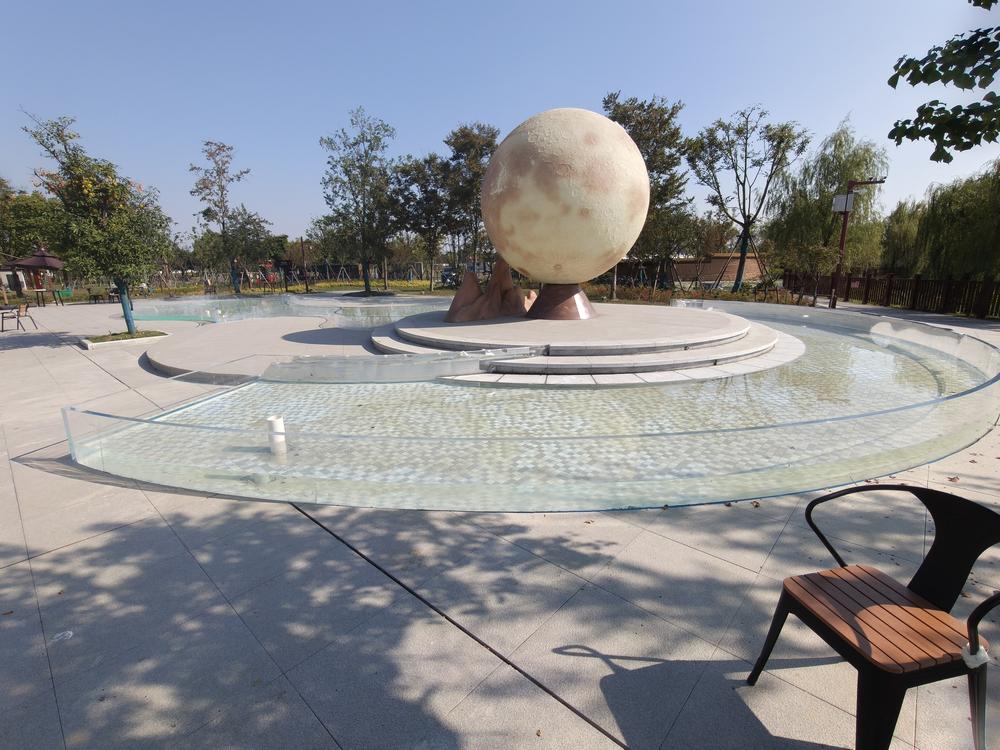
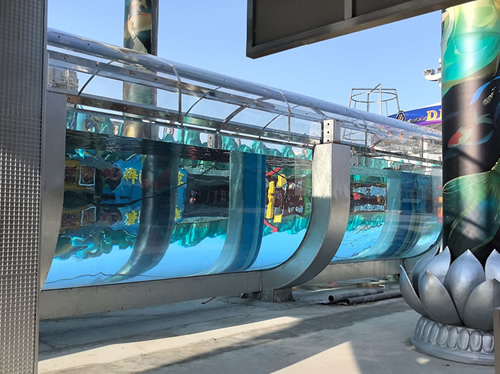
Pool dimensions, shape and transparent panel arrangement can be developed around indoor or outdoor sites, rooftops, terraces, courtyards and commercial venues. The design should respond to the architecture, intended use and structural conditions of each location.
A distinctive pool can give a venue a recognizable visual signature. When supported by thoughtful service, photography and a coherent brand experience, it may encourage visitors to share their experience and help the property communicate its identity.
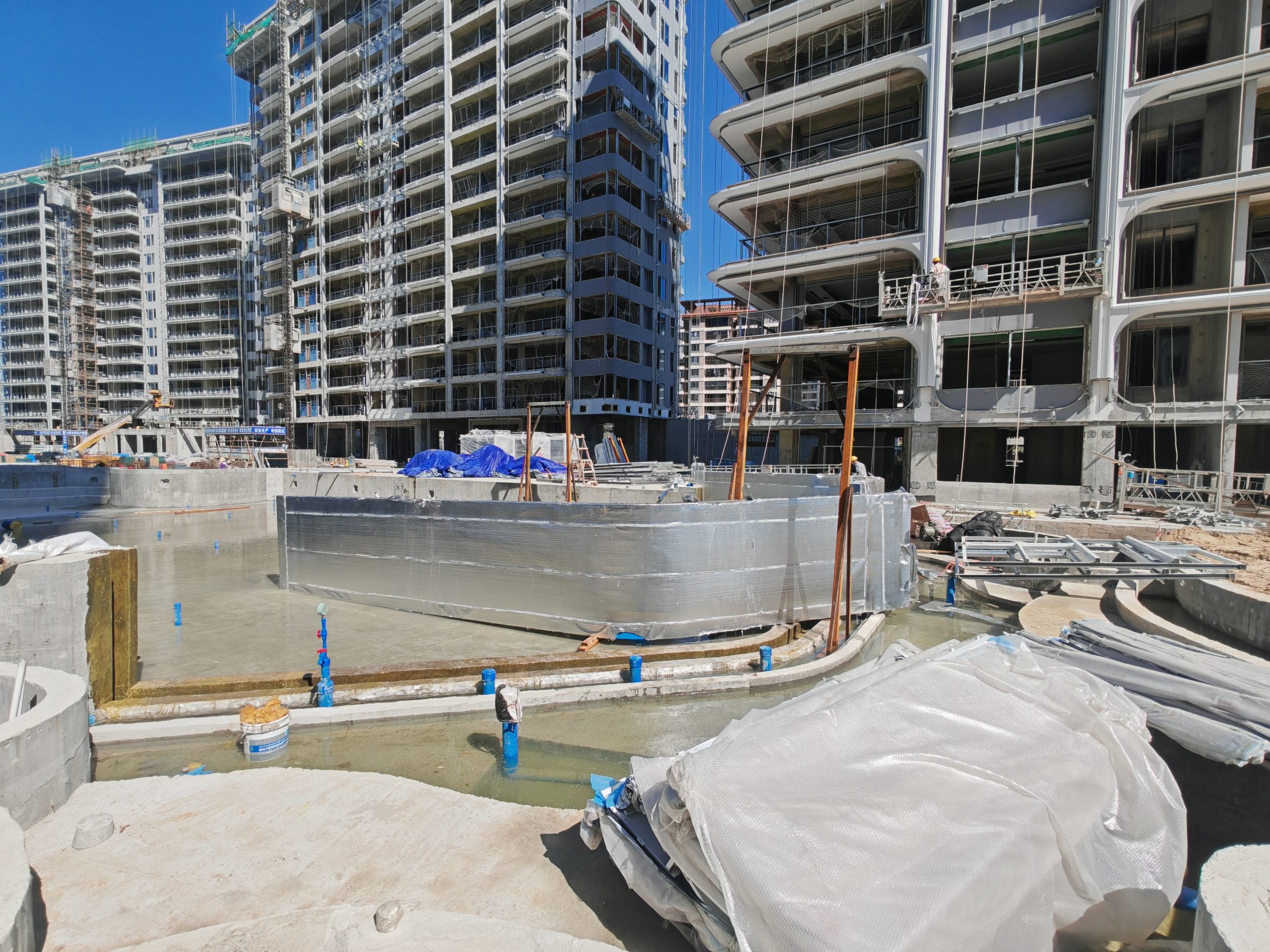
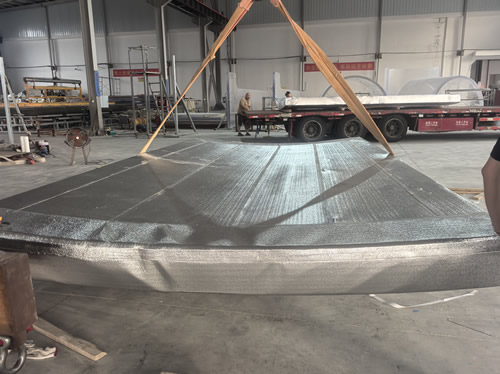
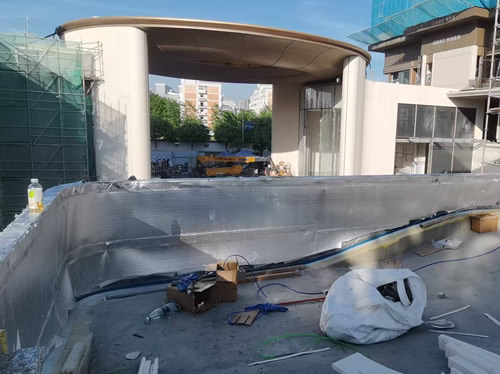
Acrylic pool projects involve the pool structure, supporting building structure, waterproofing, circulation equipment, electrical systems, access and maintenance. Addressing these items early helps reduce design conflicts and avoid preventable changes during construction.
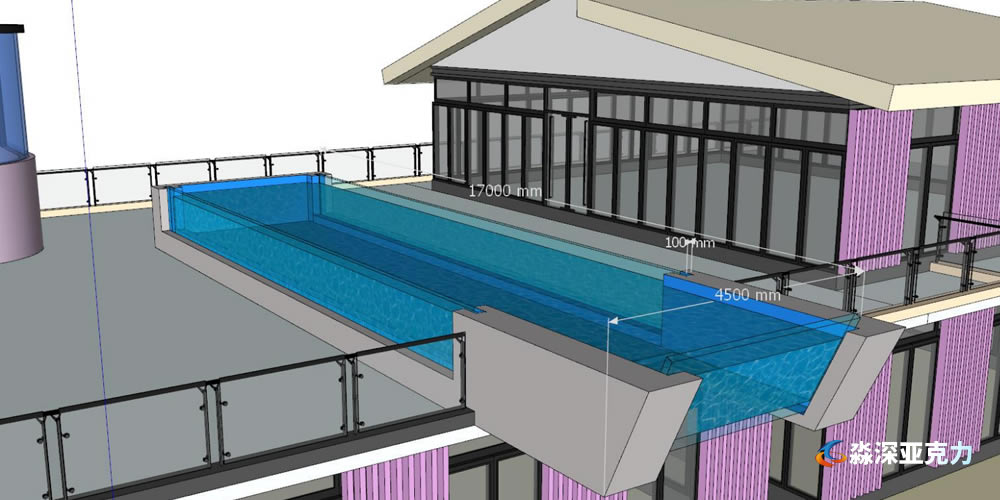
Review site dimensions, access routes, existing structure, waterproofing conditions, daylight, utilities and equipment locations. Where required, a qualified structural engineer should assess load-bearing capacity and structural feasibility. On-site survey availability and fees depend on project location and scope.
Develop the pool dimensions, geometry, water depth and transparent panel arrangement according to the site, intended use and budget. Design coordination can also consider the architectural style and the relationship between the pool, surrounding landscape and interior or exterior spaces.
Three-dimensional renderings can help clients review proportions, transparent surfaces, lighting and the pool’s relationship with the surrounding building. Revisions should be managed against an agreed design scope and approval process.
Coordinate acrylic panel specifications, support details, joints, waterproofing interfaces, access barriers and child-safety considerations with the project’s qualified design professionals. Structural calculations, approvals and code compliance must be completed by the responsible licensed professionals and authorities.
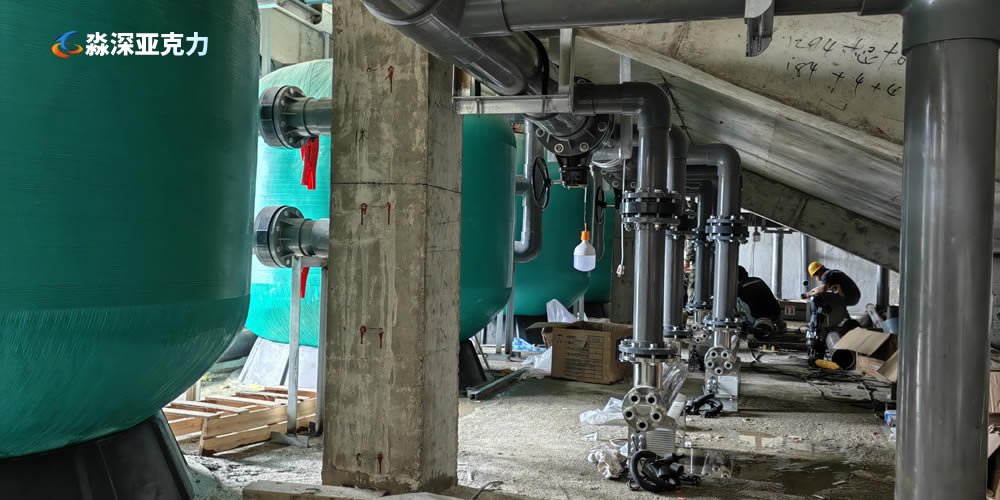
Plan water circulation, filtration, disinfection, heating, lighting, cleaning provisions and equipment access as part of the overall project. Optional features should be selected according to the pool’s operating needs and maintenance plan.
The long-term performance of an acrylic swimming pool depends on appropriate use, water chemistry, cleaning methods, inspection and maintenance of the surrounding systems. Mianshen’s published service information describes the following support items. The final scope, timing and eligibility should be confirmed in the signed warranty and service agreement.
The original service description refers to a 30-year commitment relating to yellowing, deformation and embrittlement of acrylic panels. Because material performance depends on grade, thickness, fabrication, installation, exposure and maintenance, the exact warranty coverage, exclusions and remedies should be stated in writing for each project.
Minor surface marks may sometimes be improved through suitable acrylic polishing techniques. The source service description lists lifetime polishing support; eligibility, travel costs, the extent of repair and whether the work is free of charge should be confirmed in the service agreement. Deep cracks or structural damage require professional assessment rather than routine polishing.
The published service plan specifies two complimentary on-site inspections per year during the warranty period. Inspection points may include acrylic panels, joints and sealants, circulation equipment, electrical components and waterproofing interfaces, subject to the agreed project scope and service location.
Technical guidance can cover water quality, equipment operation, acrylic cleaning and routine care. The company describes 24-hour customer response and ongoing technical support. Post-warranty maintenance, replacement parts and upgrades can be arranged under a separate maintenance agreement.
For urgent issues such as leakage, equipment failure or panel damage, the original service description specifies 24-hour response, with a target of on-site attendance within four hours for local customers and rapid team coordination for remote locations. Actual response times depend on location, access, fault conditions and the written service agreement.
From the initial site review and custom design to acrylic fabrication, equipment coordination and after-sales planning, Mianshen supports clients in developing transparent swimming pool solutions around the needs of each project.
Send us your drawings, site information, preferred dimensions and intended use to begin a project-specific discussion.